
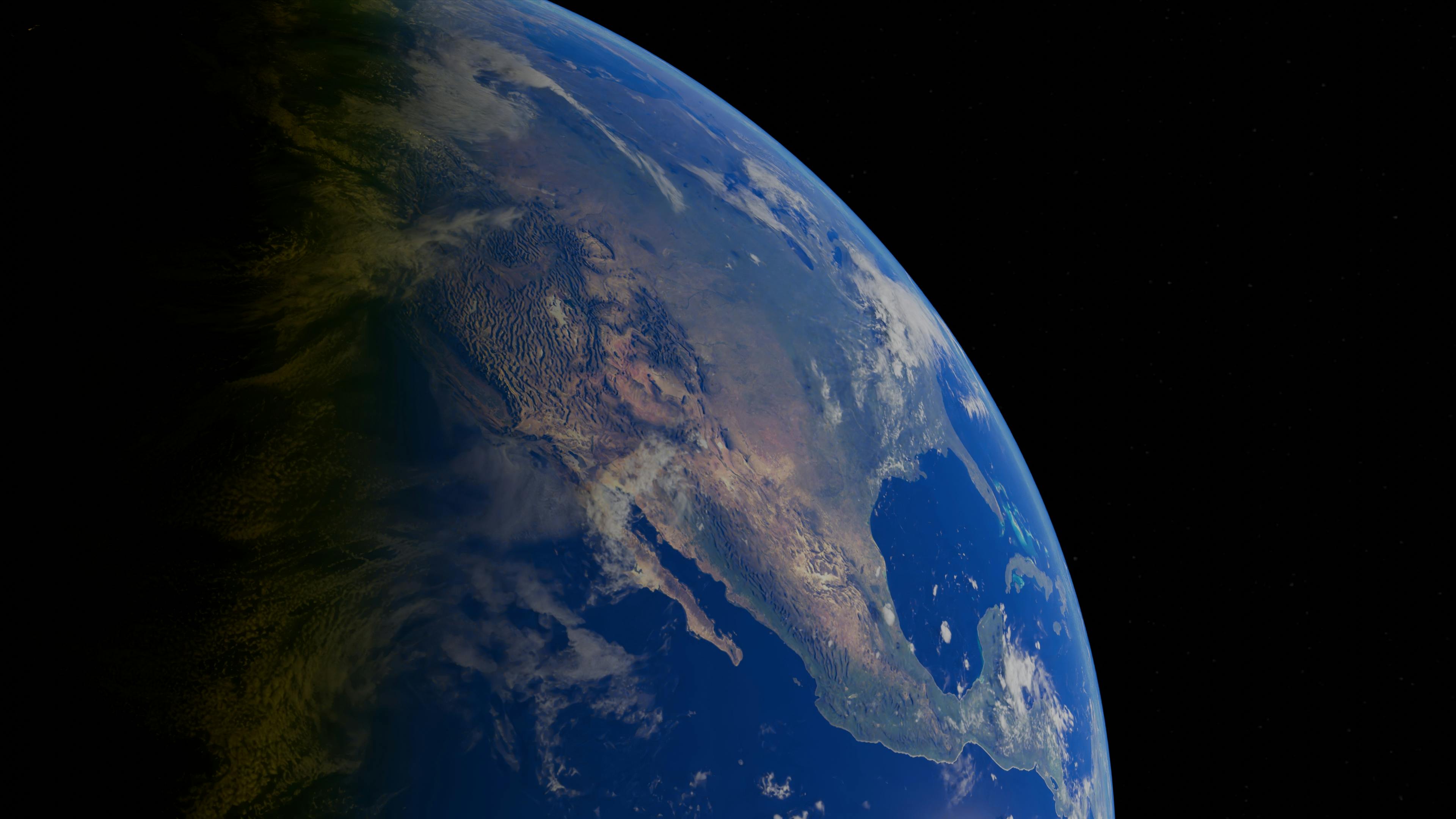
There's a hole in the ozone layer above Antarctica. It opens each Southern Hemisphere spring, it grew through the late twentieth century, and today it is slowly recovering.[3] September 16, World Ozone Day, marks the reason why: nearly four decades of coordinated global policy, including a milestone that turns ten this year.[1] Here's how the world tackled ozone depletion, discovered that the fix carried a climate cost, and then moved to address that too.
1987: A Global Choice
By the mid-1980s, scientists had confirmed that a large section of the ozone layer over Antarctica was thinning dramatically each spring. The main culprits were human-made chemicals such as chlorofluorocarbons (CFCs), which break down the stratospheric ozone that shields the planet from harmful ultraviolet radiation.[8]
In response, nations adopted the Montreal Protocol in 1987 to phase out ozone-depleting substances. It went on to achieve universal ratification, with the support of all 198 parties,[2] and it set the model that ozone policy has followed since: identify the harmful chemicals, set a phase-out timeline, and hold every party to it.
The Catch
The Montreal Protocol worked as intended for CFCs. But industry needed replacement refrigerants, and one of the main substitutes, hydrofluorocarbons (HFCs), doesn't harm the ozone layer. On paper, that made HFCs a solution.
The problem is that HFCs are potent greenhouse gases. EPA notes their global warming potentials can be hundreds to thousands of times greater than carbon dioxide, and that their use has risen rapidly worldwide because of the phaseout of ozone-depleting substances and growing demand for refrigeration and air conditioning.[5] Solving one problem had helped grow another.
2016: Closing the Gap
On October 15, 2016, after seven years of negotiations, parties meeting in Kigali, Rwanda, agreed to amend the Montreal Protocol to cut HFCs.[7] The Kigali Amendment added 18 HFCs to the list of controlled substances[6] and requires a phase-down of high global warming potential HFCs by more than 80 percent, in CO2-equivalent terms, over 30 years.[2] It didn't replace the original treaty. It extended it, using the same framework to address the gap that CFC replacements had opened.
This is what makes 2026 significant. This year's World Ozone Day theme is "Global action for a cooler planet: Celebrating 10 years of sustainable cooling under the Kigali Amendment to the Montreal Protocol."[1]
Where Things Stand Today
The 2022 WMO/UNEP Scientific Assessment of Ozone Depletion confirmed that nearly 99 percent of banned ozone-depleting substances have been phased out. If current policies remain in place, the ozone layer is expected to recover to 1980 values by around 2066 over the Antarctic, by 2045 over the Arctic, and by 2040 for the rest of the world.[3] The same assessment found the Antarctic ozone hole has been slowly improving in area and depth since 2000.[3]
WMO's 2025 Ozone Bulletin added that the 2024 Antarctic ozone hole was smaller than in recent years, and identified the hole's persistently later onset as a robust indication of initial recovery.[4]
A Few Things Worth Knowing
Recovery is tracked as a long-term trend
HFCs and CFCs are regulated for different reasons
The phase-down happens in stages
Montreal Protocol vs. Kigali Amendment
| Factor | Montreal Protocol | Kigali Amendment |
|---|---|---|
| Adopted | 1987[2] | October 15, 2016, in Kigali, Rwanda[7] |
| Primary target | CFCs and other ozone-depleting substances[8] | 18 HFCs[6] |
| Primary concern | Stratospheric ozone depletion | Climate warming potential[5] |
| Mechanism | Phase-out of ozone-depleting substances | More than 80% phase-down of high-GWP HFCs over 30 years[2] |
| Relationship | Base treaty | Amendment extending the same treaty framework |
Why This Matters for Air Quality Monitoring
The Montreal Protocol and Kigali Amendment are policy achievements, but they are also measurement stories. Progress is tracked through data reported by the parties to the Protocol[6] and through decades of atmospheric observation behind each scientific assessment. As the chair of WMO's Scientific Advisory Group on Ozone and Solar UV Radiation put it, there remains an essential need for continued, careful, systematic monitoring of stratospheric ozone, ozone-depleting substances, and their replacements.[4]
That's the same principle behind air quality and emissions monitoring at any scale, from global treaty compliance to a single facility's calibration schedule. Accurate instrumentation is what turns a policy target into a verified outcome.
Key Takeaways
What ten years of Kigali shows
- The Montreal Protocol (1987) phased out CFCs and other substances to protect stratospheric ozone
- HFCs, widely used as replacements, don't deplete ozone but are potent greenhouse gases
- The Kigali Amendment (2016) added 18 HFCs and requires a more than 80% phase-down over 30 years
- Nearly 99% of banned ozone-depleting substances have been phased out
- The ozone layer is projected to recover to 1980 values between about 2040 and 2066, depending on region
- Continued systematic monitoring remains essential to verify that progress
World Ozone Day commemorates a treaty. What it really marks is evidence that a global problem, measured accurately and acted on consistently, can be reversed. Ten years into Kigali, the data still supports that.
If your work involves tracking air quality or emissions data of your own, see how that monitoring gets done in practice. Browse Our Product Catalog